Parking, with an overview · since 2020
Park cheaply,
spare the nerves.
Parking at airports and in town — what it costs, where to book and how to avoid paying twice over.
Topics
How can we help?
Airport Parking
Short stay, long stay and off-site operators — prices, shuttle times and what's actually worth it.
ExploreCity Parking
Car parks, resident permits and parking zones: where to stand legally and cheaply in town.
ExplorePark & Ride
Park on the edge, take the train in — P+R sites, tariffs and when the idea genuinely pays off.
ExploreCosts & Rules
Parking charges, fines and valet offers — what's allowed and what it really adds up to.
ExploreFeatured
Latest articles
City Parking
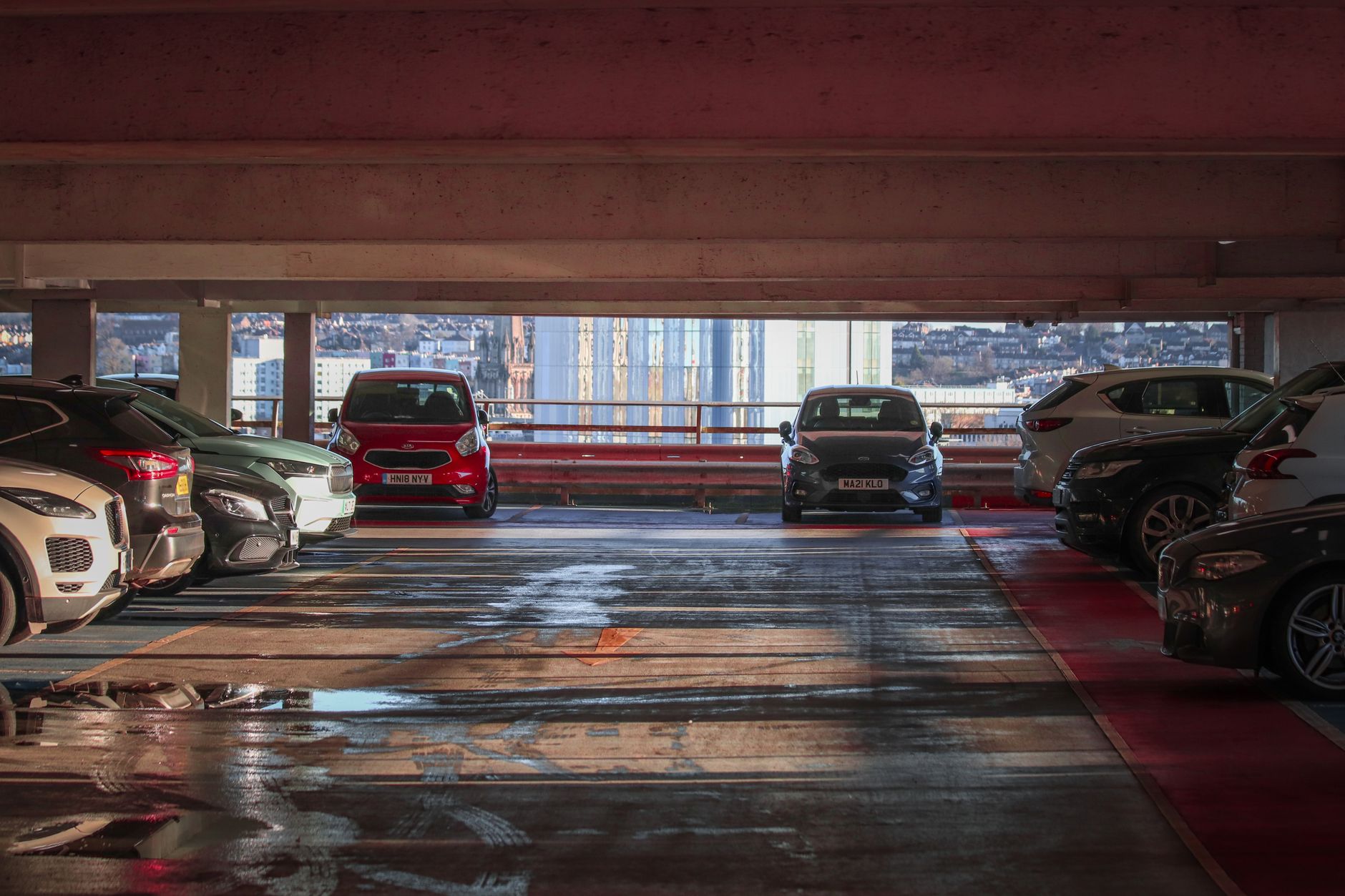
Parking at the Festhalle Frankfurt: Exhibition Grounds Between Concert and Congress
Parking at the Festhalle Frankfurt: the Messeturm, Skyline Plaza and Rebstock car parks, the EUR 15 concert flat rate from 5pm, and the transit fare already bundled into your ticket (as of 2026).
 Dr. Eva Sommer17 August 2026
Airport Parking
Parking at Hamburg Airport: P1 vs P2, and What Off-Site Operators Save
Parking at Hamburg Airport in 2026: €8 for the first hour, from €29 a day in P1, off-site shuttle operators from €8 a day — the Holiday-versus-Terminal-zone gap explained.
Dr. Eva Sommer16 August 2026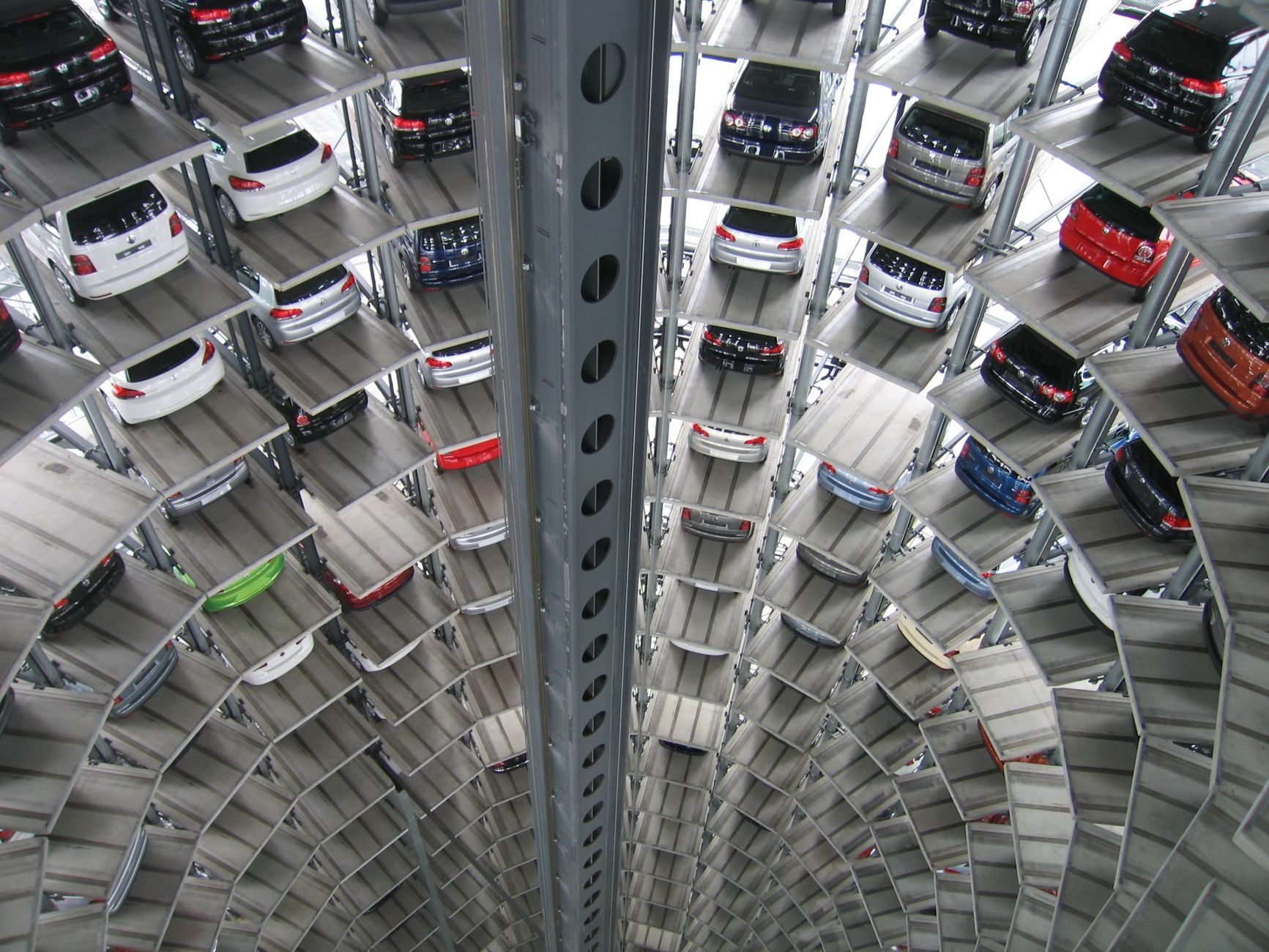
Airport Parking
Parking at Hannover Airport: €90 to €111 a Week
Parking at Hannover Airport in 2026: weekly rates from €90 to €111, P4 closed for modernisation, P10 open April to October only — the differences in detail.
Dr. Eva Sommer15 August 2026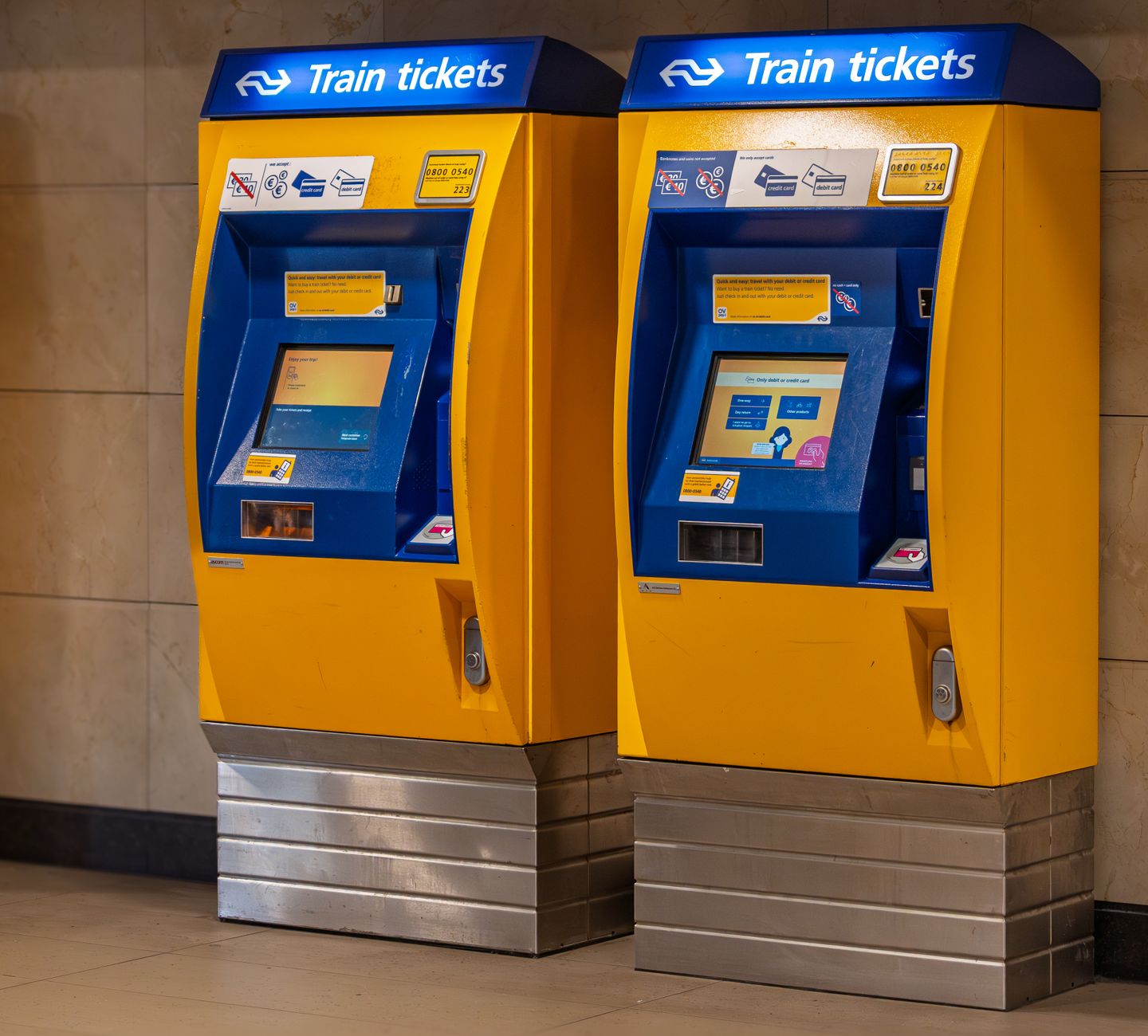
City Parking
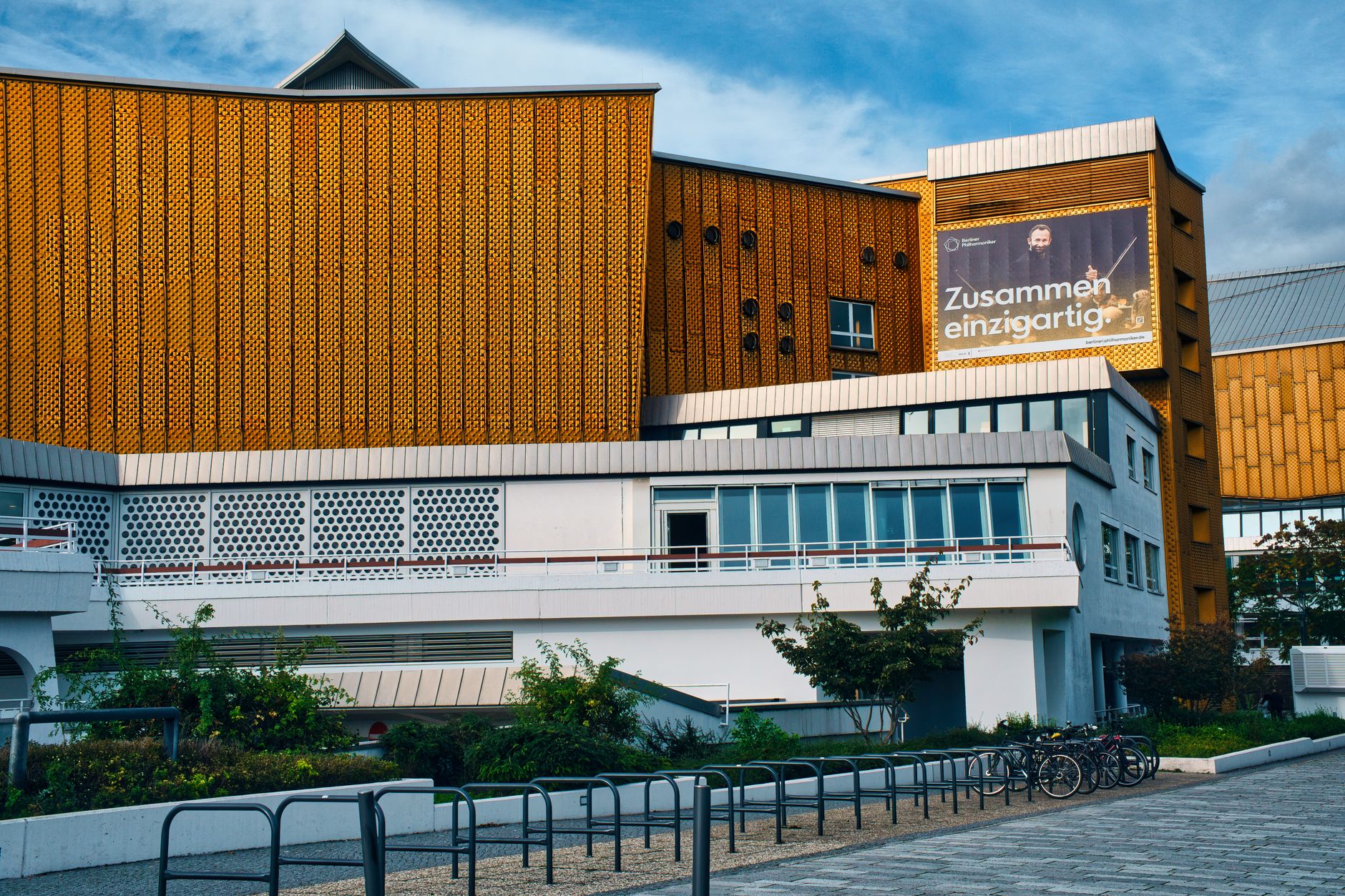
Berlin Parking Zones: €20.40, but a 16-Week Wait
Managed parking in Berlin: €1 to €3 an hour, a resident permit at €20.40 for two years — and new zones in Friedrichshain-Kreuzberg during 2026.
Dr. Eva Sommer15 August 2026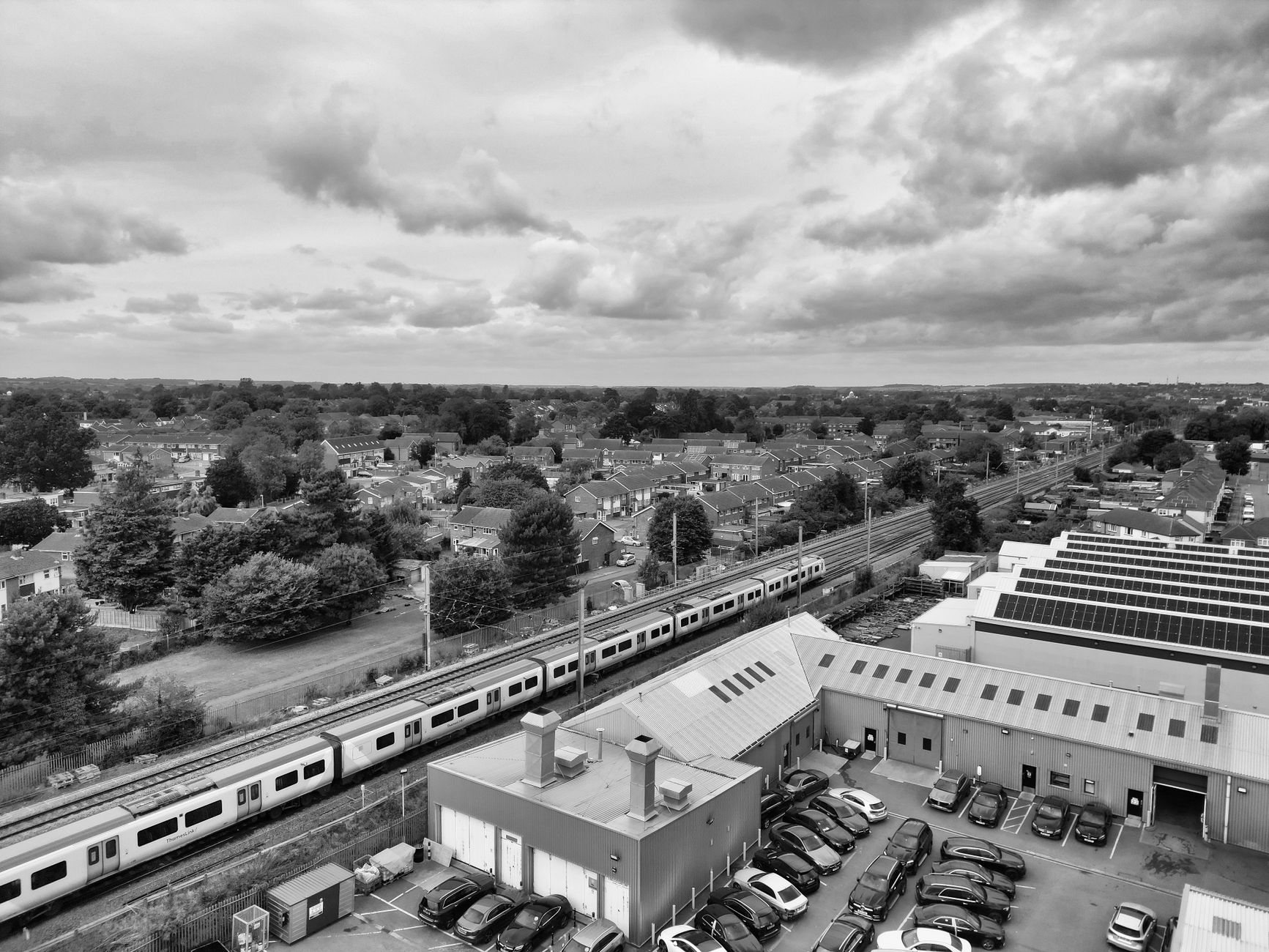
Park & Ride
Park and Ride in Germany: What the Concept Actually Delivers
Park and ride in 2026, city by city: Munich between €0.50 and €1.50 a day, Hamburg with a €100 annual card, and the maths against parking in the city centre.
Dr. Eva Sommer15 August 2026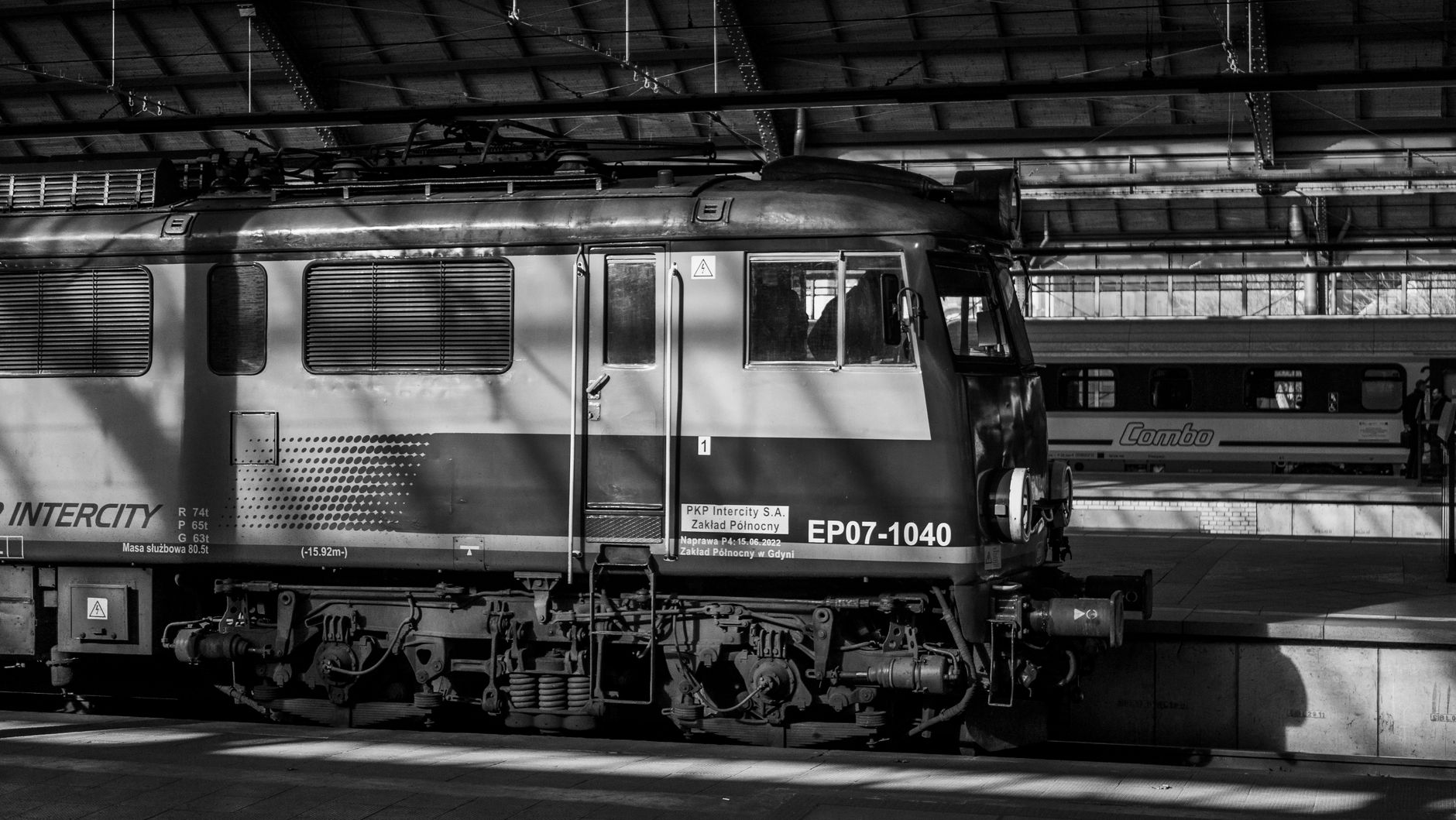
Park & Ride
Park and Ride in Hamburg: Two Euros a Day, a Hundred a Year
Park and ride in Hamburg: a €2 day ticket, a €100 annual card and the condition attached to it — plus why usage fell after the charge was introduced.
Dr. Eva Sommer14 August 2026